


Featured products

Show your food some love and help extend the life of your food (and save some money while you’re at it!) with Ziploc® Gallon Freezer Bags. We're not saying we invented freezer bags, but with over 50 years of trusted Ziploc brand protection, we're experts. 9 Point ProtectionTM helps prevent helps prevent freezer burn for up to 12 weeks (tested on ground beef) and helps keep your food fresh. That means less food waste and more delicious meals. Plus, our patented stand-up bottom and convenient fold line make filling a breeze. Whether you're freezing, bulk buying, portioning or just repackaging, Ziploc® Freezer Plastic Bags are a great solution. So go ahead, stock up on your favorites. Your freezer (and your wallet) will thank you. Because when you love food, you don't let it go to waste.

Show your food some love and help extend the life of your food (and save some money while you’re at it!) with Ziploc® Quart Storage Bags. We get it – sometimes "meal prep" means shoving leftovers into the fridge and hoping for the best. But with Ziploc®, you can help extend the life of your food and help preserve freshness. Our patented stand-up bottom and fold line make storage a breeze, whether it's last night's pizza, prepped veggies or those impulse-buy strawberries you swear you'll eat. Speaking of strawberries, Ziploc® bags keep them fresh for up to twice as long as store packaging (when refrigerated). So join the fight against food waste and extend the life of your leftovers with Ziploc®. Because when you love food, you don't let it go to waste.

Ziploc® Sandwich Bags have the EasyGuideTM Texture – a game-changer for busy mornings and hungry snackers. This textured grip along the zipper guides your fingers, making it super easy to seal the bag completely (no more missed spots). EasyGuideTM helps ensure your sandwiches and snacks stay fresh and secure until lunchtime, giving you peace of mind and saving you precious time. Zip confidently, knowing your food is safely tucked away. Ziploc® sandwich bags make it easy to pack lunches and help keep snacks fresh on the go. Keep a box of reusable* Ziploc® bags in your pantry for grab-and-go convenience. Ziploc® sandwich bags make snacking and lunch packing easy peasy. Other brands try to replicate us, but there’s only one Ziploc® Brand bag. * Ziploc® bags are reusable after hand-washing and drying. We do not recommend reusing Ziploc® bags after storing raw meat, fish, eggs, or potentially allergy triggering foods.

Show your food some love and help extend the life of your food (and save some money while you’re at it!) with Ziploc® Gallon Slider Freezer Bags. Our Power Shield technology creates a tough, flexible film that's stronger than Hefty on punctures and tears*. Plus, the expandable bottom and flat base make filling easy. The slider bag closure provides a seal you can see— it’s strong enough to slide & close 100+ times**. These reusable Ziploc® bags are tough enough to use again and again***, helping you reduce food waste and save money. So go ahead, stock up on your favorites. Because when you love food, you don't let it go to waste. *bag film tested using ASTM D1709 Dart Drop and ASTM D2582 PPT. Hefty is a registered trademark of Reynolds Consumer Products LLC, which is not affiliated with, and does not endorse, this product. **based on a typical use of the slider bags ***Ziploc® bags are reusable after hand-washing and drying! We do not recommend reusing after storing raw meat, fish, eggs, or potentially allergy-triggering foods.
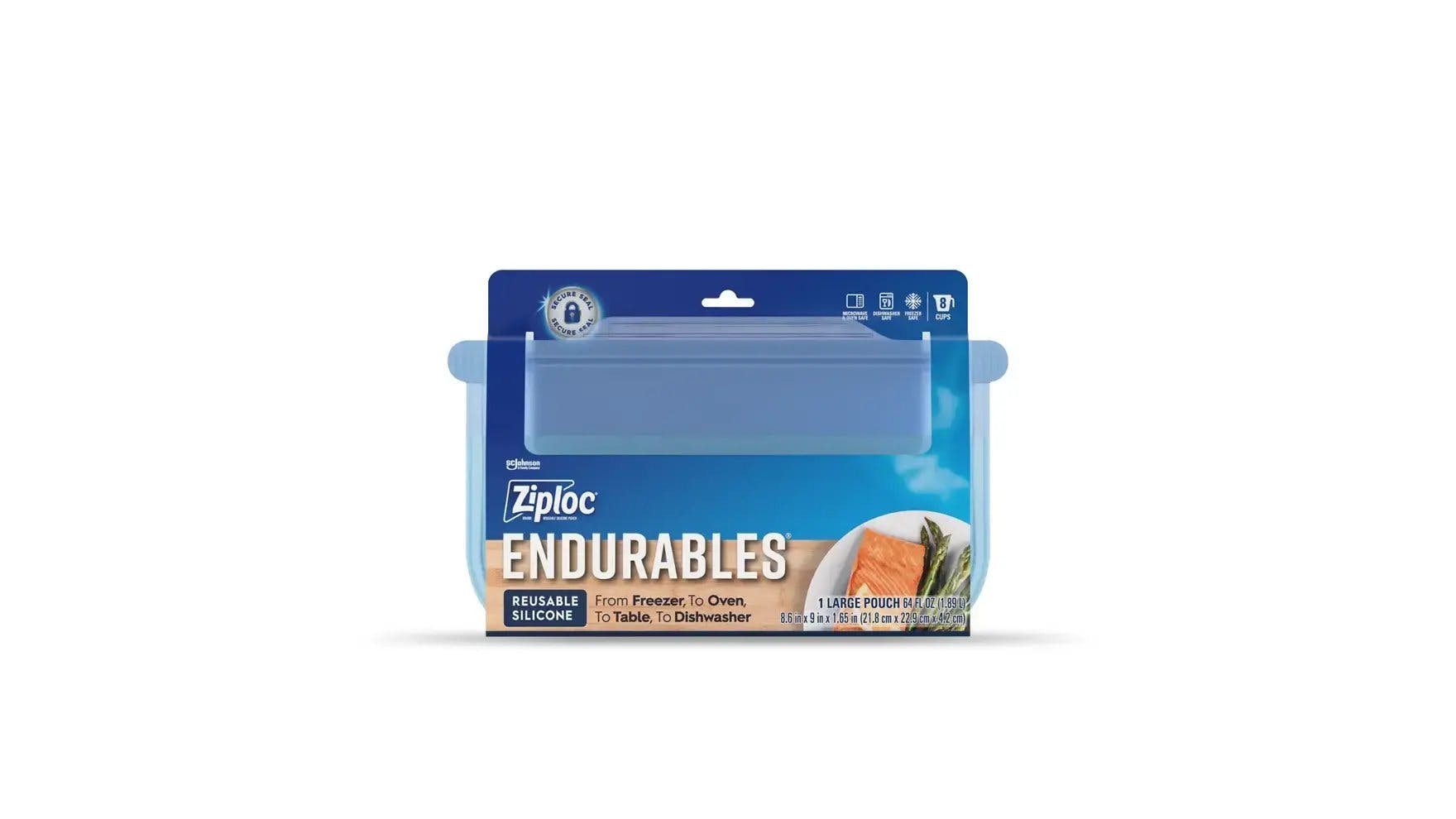
Some call the Ziploc Endurables® Large Pouch a game-changer...and we can’t agree more. Made with durable, reusable platinum silicone, these half-gallon pouches are designed to go from the freezer to the oven to the table in a snap. So whether you’re storing leftovers or reheating for the family, making the most of your meals has never been easier.
Ziploc Endurables® – Over 100 uses!
Meet our Ziploc® Bags with Stay Open Design
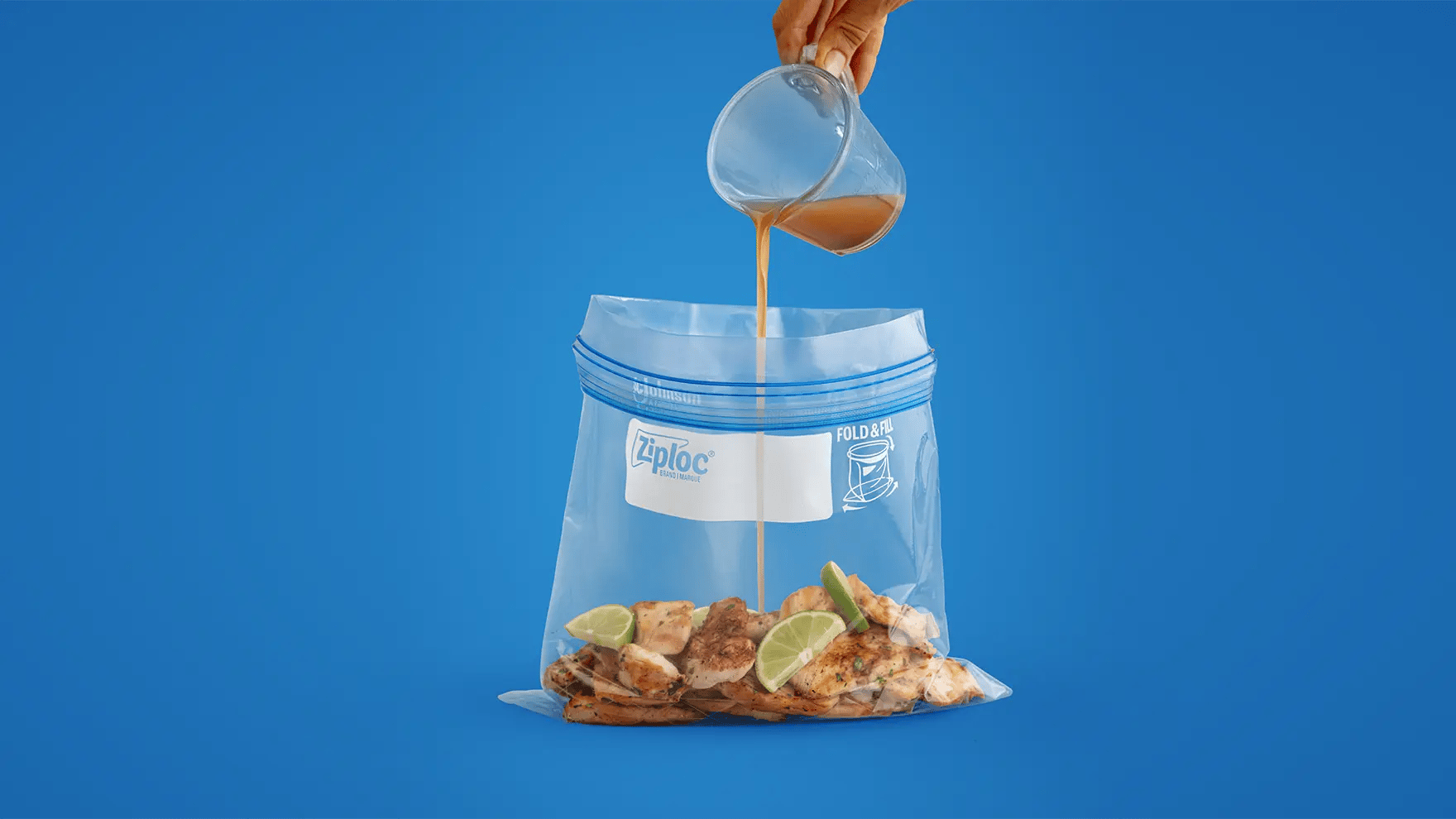
Designed to be like a second set of hands, Ziploc® brand bags with Stay Open Design and our patented stand-up bottom allow you to prep like a pro.
Available on Ziploc® brand seal top storage and freezer bags in quart and gallon sizes.